The Difference Between Beef, Pork, and Turkey Hot Dogs

Walk down the refrigerated case in any grocery store and the hot dog section looks deceptively simple. A few familiar brands, a few package colors, maybe a label that says beef, pork, turkey, or some combination of the three. Yet those words signal real differences in flavor, texture, price, nutrition, and cooking performance. If you grill often, shop for a family, or care about what goes into processed meat, those differences matter more than the package design suggests.
People often talk about hot dogs as if they are one thing. They are not. A beef hot dog behaves differently over high heat than a turkey dog. A pork frank has its own sweetness and softness. A mixed-meat dog can be juicier than either one on its own. Even the snap of the casing, which serious hot dog fans notice immediately, changes depending on the meat blend and how the product is made.
The easiest way to understand the category is to think like a cook rather than a shopper. What does the meat bring to the sausage before seasoning ever enters the picture? Beef brings depth and a minerally, savory character. Pork contributes fat, sweetness, and tenderness. Turkey tends to be leaner and lighter, which can be an advantage or a compromise depending on how you plan to serve it. Once you know that, the rest of the choices start to make sense.
Why the meat matters more than most labels suggest
All hot dogs are emulsified sausages. That means the meat, fat, water, and seasonings are blended into a fine, smooth mixture rather than left coarse like a bratwurst or Italian sausage. Because the grind is so fine, small differences in raw material become very noticeable in the final bite.
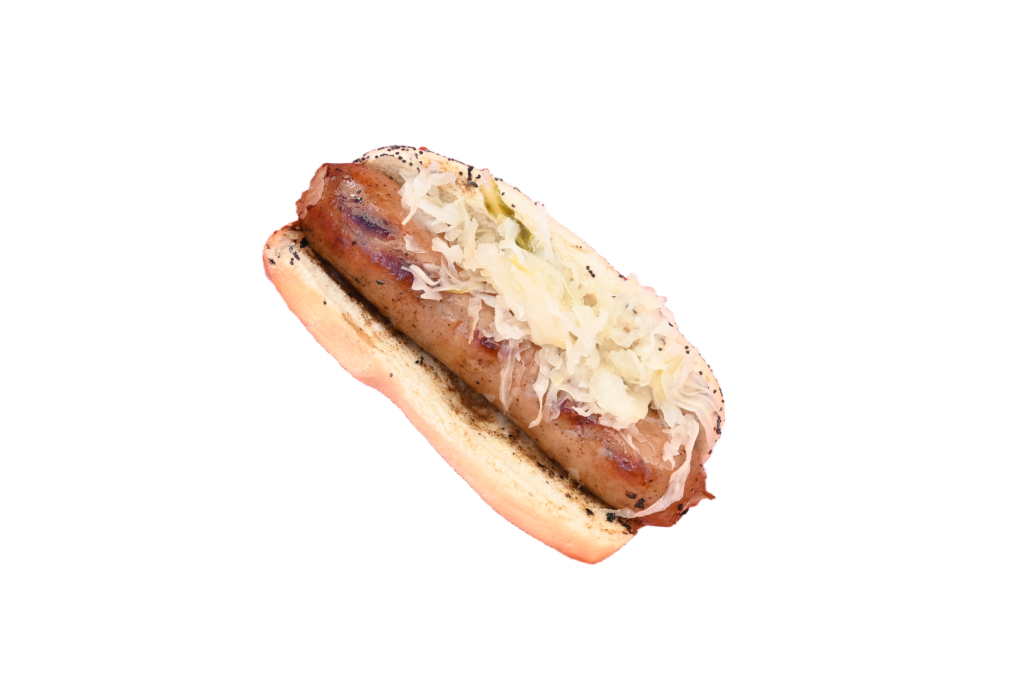
Beef has a stronger baseline flavor than either pork or turkey. Even before smoking, curing, and seasoning, beef gives the hot dog a darker, more assertive profile. That is why an all-beef hot dog can stand up to sharp mustard, onions, sauerkraut, chili, or char from a grill without disappearing.
Pork, by contrast, is generally milder and a bit sweeter. In sausage making, pork fat has a prized quality because it creates a rich, smooth mouthfeel. Even when the seasoning blend is similar, pork hot dogs often taste rounder and softer. They can feel a little more forgiving if slightly overcooked, especially when compared with very lean products.
Turkey brings a different set of strengths. It has a milder meat flavor and is usually positioned as a lighter option. That can mean lower saturated fat and fewer calories, but it can also mean less juiciness unless the manufacturer has done a good job balancing moisture, fat, and binders. A turkey hot dog that is skillfully made can be surprisingly satisfying. A poorly made one can taste dry, springy, or faintly bland.
That spread of outcomes explains why two hot dogs with similar nutrition panels can still eat very differently. Meat choice is not just a dietary note. It is the backbone of the product.
Beef hot dogs, the benchmark for bold flavor
For many people, the classic American hot dog experience starts with beef. Not every region agrees on what the best style should be, but all-beef franks hold a special place because they deliver strong flavor with minimal explanation. When someone says a hot dog tastes “like a real hot dog,” they are often describing the savory depth that beef naturally provides.
Beef hot dogs usually have a firmer bite than turkey versions and a more focused meaty finish than pork versions. They also tend to pair well with smoke. That matters because many of the best hot dogs are smoked, which reinforces beef’s own robust flavor rather than covering for weakness.
On the grill, beef hot dogs reward high heat. The exterior browns nicely, the casing tightens, and the fat inside turns luscious. If you have ever cooked an all-beef hot dog until it blistered and split slightly, you know the appeal. The char gives bitterness, the interior stays juicy, and the flavor seems to deepen with every extra minute, up to a point.
There are trade-offs. Beef hot dogs often cost more, especially those made with better cuts, natural casings, or cleaner ingredient lists. They also tend to be richer, which is a plus for some eaters and too heavy for others. If you are serving a crowd at a summer cookout, an all-beef frank can be the star. If you are trying to keep things lighter for a weekday lunch, it may not be the first pick.
Religious dietary rules matter too. Beef hot dogs are common in kosher-style and kosher products because pork is excluded. That has helped shape their popularity far beyond taste alone.
Pork hot dogs, softer and often juicier
Pork hot dogs do not always get the same spotlight, partly because many mainstream labels either emphasize beef or use blended meats without much fanfare. Still, pork plays a major role in the hot dog world, and for good reason.
A pork hot dog usually tastes milder, slightly sweeter, and a touch fattier than a beef dog. The texture often feels smoother and more yielding. If a beef frank gives you a direct, savory punch, a pork frank tends to spread its richness across the palate more gently. That can make it especially good for people who prefer a classic ballpark style without too much intensity.
From a sausage-maker’s standpoint, pork is practical. Pork fat emulsifies well, tastes pleasant, and creates the kind of juicy interior many people expect from a good frankfurter. It also carries seasonings beautifully. Garlic, paprika, coriander, black pepper, and smoke all sit comfortably on a pork base.
This is one reason blended hot dogs are so common. Even a manufacturer that wants the flavor identity of beef may use pork to improve tenderness or juiciness. If you have ever tried an old-school hot dog from a regional butcher and thought it tasted especially balanced, there is a decent chance pork was part of the equation.
Pork does have limitations. For people avoiding pork for religious, cultural, or personal reasons, it is simply off the table. It can also taste less distinctive under heavy toppings. Pile on chili, cheese sauce, relish, onions, and jalapeños, and some pork hot dogs get lost where beef would still show up clearly.
Turkey hot dogs, lighter but harder to perfect
Turkey hot dogs are often treated as a compromise choice, which is not entirely fair. The best ones have a clean flavor, a tidy finish, and enough seasoning to feel like a hot dog rather than a health substitute. The problem is that turkey leaves manufacturers less room for error.
Turkey is naturally leaner than beef or pork, especially if the formulation does not include much added fat. Lean meat can still make a good sausage, but it needs careful handling. Moisture retention, binders, seasoning, and cooking method all become more important. Without that balance, turkey dogs can end up rubbery, dry, or oddly airy.
When they are done well, turkey hot dogs appeal to people who want the familiar shape, seasoning, and convenience of a hot dog with a lighter profile. They are often lower in calories and fat than beef versions, though not always by as much as shoppers assume. Some turkey products add enough starches, oils, or flavorings that the nutrition gap narrows. It is worth reading the label rather than relying on the word turkey alone.
Flavor is where the biggest adjustment happens. Turkey does not bring the same natural depth as beef or the same fatty sweetness as pork. To compensate, producers often lean harder on smoke, paprika, garlic, onion powder, or curing spices. Sometimes that works. Sometimes it creates a product that tastes seasoned but not deeply savory.
Cooking method matters more with turkey than with the other two meats. A beef hot dog can take a little abuse on the grill and still come out appealing. A turkey dog tends to punish neglect. Leave it over direct heat too long and it can dry out fast. I have had the best results with turkey hot dogs when they are cooked gently, either over moderate grill heat or in a skillet with a small splash of water before browning.
The texture question, where preferences become personal
Ask ten hot dog lovers what matters most and several will say snap. They are talking about the crisp resistance of the casing when you bite in, followed by a juicy interior. This is one of the most satisfying qualities in a hot dog, and it is influenced by more than just the meat. Casings, fat level, grind, and moisture all matter. Still, the meat base shapes the final feel.
Beef hot dogs often feel firmer and denser, especially all-beef franks with natural casings. They can have a strong bite and a tight, cohesive interior. That is part of why they feel substantial even when the size is modest.
Pork hot dogs tend https://zionnqau275.northcrestbrief.com/posts/how-to-build-a-better-chili-cheese-hot-dog to be softer and silkier. They may still snap if cased properly, but the interior is usually less firm than beef. Some people love that tenderness. Others read it as less hearty.
Turkey hot dogs range widely. Some mimic the bounce of traditional hot dogs reasonably well. Others feel almost too springy, as if the emulsion is trying too hard to stand in for missing fat. Texture problems are often the first sign of a lower-quality turkey product.
This is one area where brand differences can outweigh category rules. A premium turkey hot dog can have better texture than a bargain beef one. But if you compare well-made versions side by side, beef usually feels the most robust, pork the most supple, and turkey the most delicate.
Flavor pairings and toppings, which meat shines with what
The meat in a hot dog changes how toppings behave. This is easy to miss because hot dogs are often buried under condiments. Yet some pairings clearly work better with one style than another.
Beef hot dogs do well with assertive toppings. Sharp yellow mustard, sauerkraut, raw onions, chili, sport peppers, spicy relish, and even a swipe of cream cheese in certain regional styles all make sense because beef can absorb strong companions without fading.
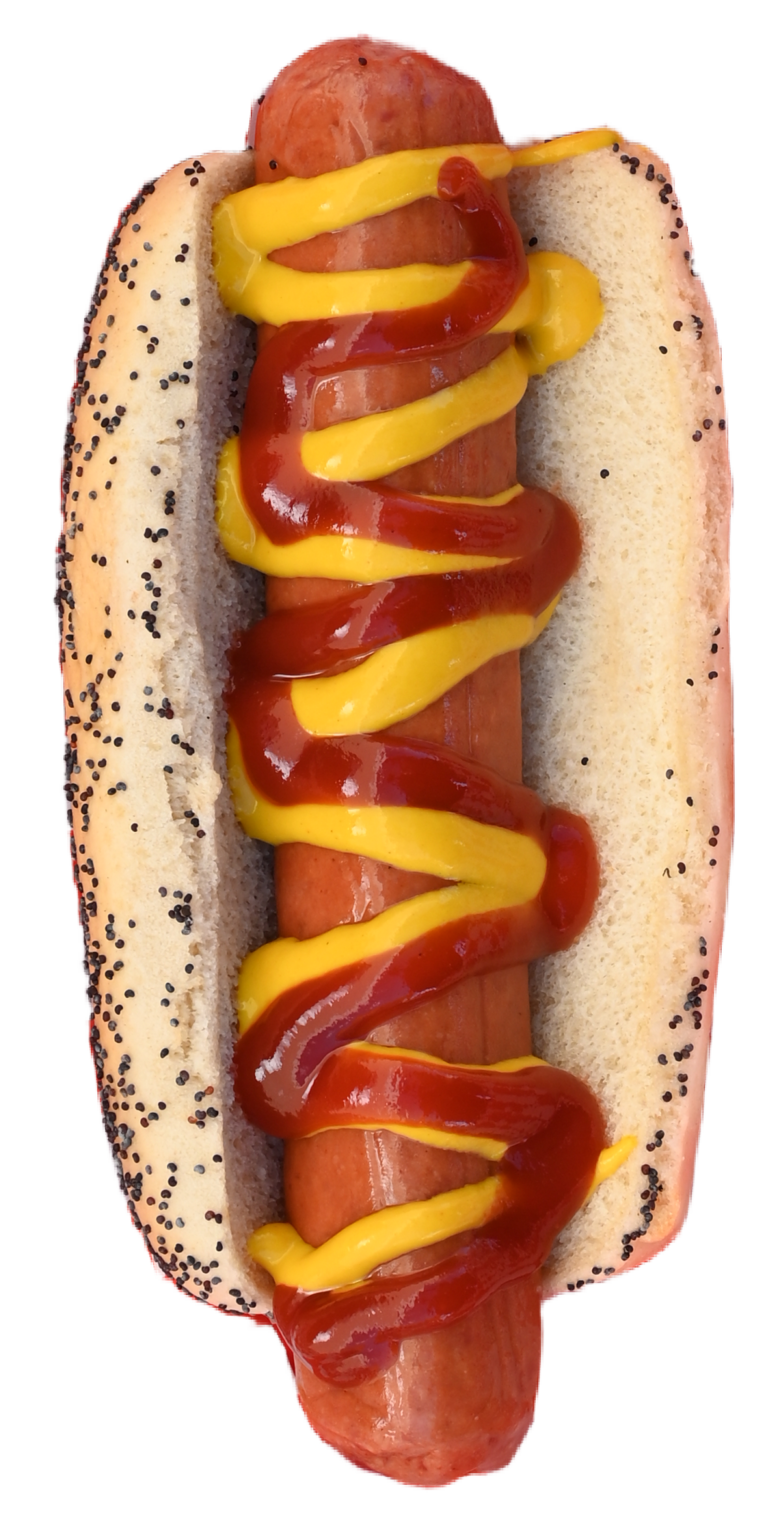
Pork hot dogs often excel with simpler or sweeter toppings. Classic relish, mustard, a soft bun, maybe finely chopped onions, maybe a little slaw. Pork’s gentler flavor can feel especially nostalgic in straightforward combinations.
Turkey hot dogs benefit from toppings that add moisture and character without overwhelming the bite. Mustard helps. Relish helps. A fresh salsa can help. So can sauerkraut, if the turkey dog itself has enough seasoning. Heavy chili and cheese can mask the lighter meat so completely that the choice of turkey stops mattering, except nutritionally.
If I were matching each meat with an ideal setup, it would look like this:
- Beef with mustard, onions, sauerkraut, or chili.
- Pork with mustard, relish, slaw, or a lightly toasted bun.
- Turkey with mustard, crisp pickles, onions, or a bright relish.
- Mixed meat with almost anything, especially classic cookout toppings.
Those are not rules. They are practical tendencies. A great hot dog is still a great hot dog if you top it your own way.
Nutrition, where assumptions can mislead
Many people choose between beef, pork, and turkey hot dogs for health reasons, and the general logic is understandable. Beef and pork are usually richer. Turkey is usually leaner. That broad pattern is true, but packaged foods rarely obey broad patterns neatly.
An all-beef hot dog often has more calories, more total fat, and more saturated fat than a turkey version. Pork can be similar or slightly less rich depending on the formulation. Turkey often comes in lower on those measures, but not always dramatically lower. Sodium can be high across all categories because curing and seasoning are central to the product. Protein may also vary less than expected.
What matters is not just the species of meat, but how much fat is included and what else is added. Some turkey hot dogs rely on fillers or binders that change texture and nutrition. Some premium beef hot dogs are larger, which means one frank can contain much more of everything than a standard-sized turkey dog. Serving size matters. Bun choice matters. Toppings matter even more than people admit.
If you are comparing labels, focus on a few numbers together rather than one at a time.
| Type | Typical strengths | Typical trade-offs | | --- | --- | --- | | Beef hot dog | stronger flavor, satisfying texture, handles bold toppings well | usually higher fat, richer taste, often more expensive | | Pork hot dog | juicy, mild, smooth texture, good seasoning carrier | less distinctive flavor, not suitable for those avoiding pork | | Turkey hot dog | lighter profile, often lower fat and calories | can be drier or less flavorful if poorly made |
That table gives the broad strokes, but the label in your hand is still the final authority.
How each type behaves on the grill, in the pan, and in hot water
Cooking reveals the personality of a hot dog quickly. Some franks thrive under direct flame. Others need restraint.
Beef hot dogs are the most forgiving on a grill. They blister attractively, pick up smoke well, and usually retain enough internal moisture to stay pleasant even if you leave them on a little too long. For backyard cooks, that forgiveness matters. At a cookout, distractions happen.
Pork hot dogs also grill nicely, though their softer structure means they can go from juicy to split a bit faster if the heat is intense. Their sweetness often comes forward when browned, which many people love.
Turkey hot dogs are more delicate. They can grill well, but they deserve closer attention. Moderate heat works better than fierce flame. I often recommend turning them more frequently and pulling them just as the surface browns, rather than waiting for aggressive blistering.
Pan-cooking can be excellent for all three. A skillet gives more control, and a small amount of water in the pan before browning helps prevent casing rupture while warming the center evenly. This method is especially useful for turkey dogs, which benefit from the gentler start.
Boiling is common but not ideal for flavor. Simmering, though, has its uses. If you want a softer texture and an evenly heated frank for a crowd, a gentle simmer is practical. Beef holds up especially well to this treatment. Turkey can become a little bland if left in hot water too long.
Regional habits and why “best” depends on context
Hot dog preferences are often regional, inherited, and stubborn. In some cities, an all-beef frank is nonnegotiable. In others, pork or mixed-meat franks are part of the local identity. That is one reason debates about the best hot dog rarely go anywhere productive. People are not only defending flavor. They are defending memory.
At a baseball game, many people want the hot dog they grew up with, not the one that wins a blind tasting on technical merit. At home, practical concerns may matter more. A parent shopping for weeknight meals may choose turkey for a lighter option. A grill enthusiast may choose beef for flavor and browning. Someone who loves old-fashioned butcher-shop franks may prefer a pork-beef blend because it tastes the most balanced.
This is also why premium and budget products can confuse the conversation. A cheap beef hot dog may not taste better than a carefully made turkey one. A pork dog from a respected regional producer may outperform both. Category helps, but craftsmanship still decides a lot.
How to choose the right one for your table
The best way to pick among beef, pork, and turkey hot dogs is to match the meat to the occasion rather than chase an abstract winner.
If flavor is your top priority, start with beef. If you want richness without too much intensity, pork is a smart choice. If you want something lighter and are willing to be selective about brand and cooking method, turkey can work very well.
When I shop for hot dogs, I look at five things before I look at marketing language:
- Meat type and whether it is single-meat or blended.
- Fat and sodium per serving.
- Whether it has natural casing or skinless casing.
- Package size relative to bun size and serving plans.
- Ingredient list length and overall clarity.
That quick check tells you more than phrases like “premium” or “classic” ever will.
For a summer cookout with mustard, onions, and a hot grill, I would usually reach for beef. For a crowd that includes people who want a milder sausage, a pork or mixed-meat hot dog is often the safer middle ground. For weekday lunches where nutrition is part of the decision, a good turkey dog has a clear place, provided you do not overcook it.
The real difference in one bite
If you put a beef, pork, and turkey hot dog side by side, the differences become obvious fast. The beef dog lands deepest and strongest. The pork dog feels softer, sweeter, and rounder. The turkey dog tastes lighter and cleaner, sometimes pleasantly so, sometimes at the cost of richness. None of those qualities is automatically better. They simply answer different appetites.
That is the useful way to think about hot dogs. Not as a single food with minor label variations, but as a small family of sausages built on different meats, each with its own strengths. Once you taste them that way, shopping gets easier, grilling gets smarter, and the hot dog itself becomes more interesting than the toppings piled on top of it.
Under Construction Hot Dogs
1225 W U.S. Hwy 50, Pueblo, CO 81008
FAQ About hot dog
What are different types of hotdogs?
Under Construction Hot Dogs offers a classic all-beef hot dog, a quarter-pound Jumbo Dog, a Chili Dog, and a Chicago Dog, along with brats and a Spicy Link.
What does a chili dog have on it?
Our Chili Dog pairs a Vienna all-beef hot dog with chili, shredded cheddar cheese, and finely diced onions.
What is in a traditional Chicago dog?
Our Chicago Dog comes on a steamed poppy seed bun with yellow mustard, bright green relish, onions, tomato wedges, a pickle spear, sport peppers, and celery salt.